Downspout Snaking in Monmouth County, NJ
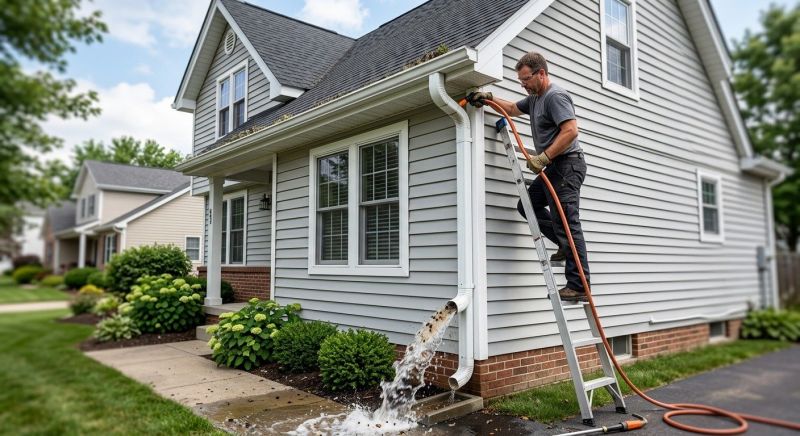
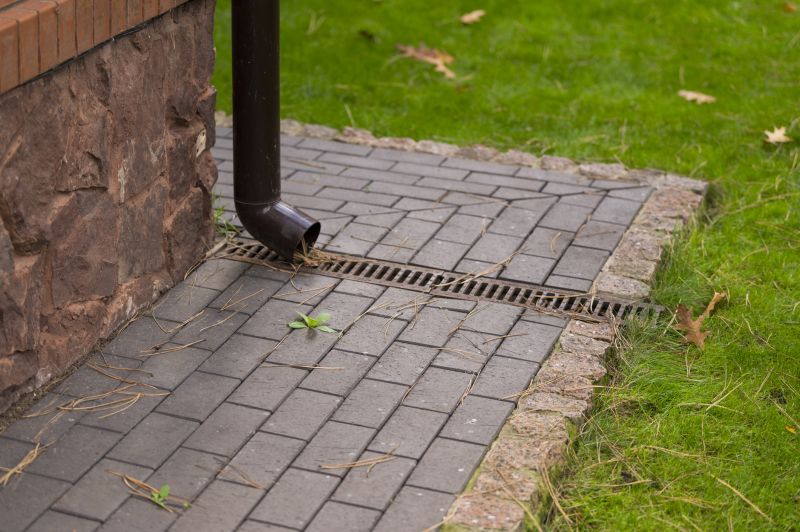
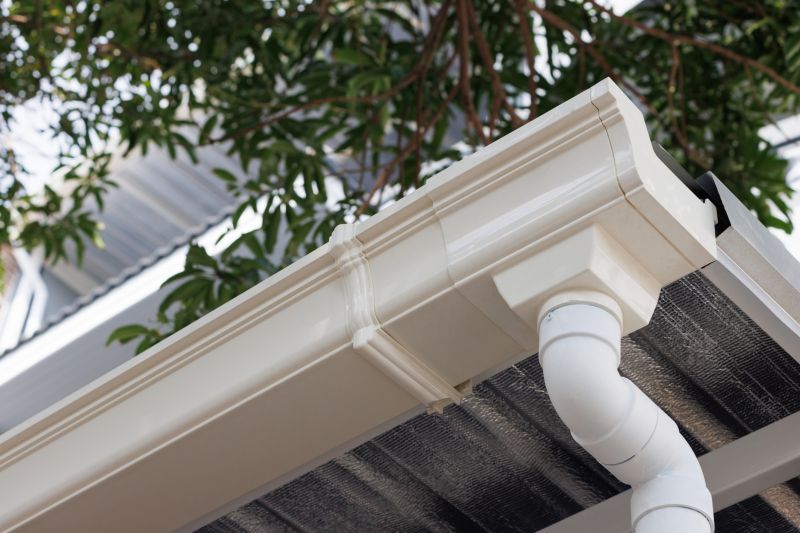
Downspout snaking services involve clearing blockages and obstructions within the downspouts to ensure proper water flow away from a property. This process typically addresses issues caused by leaves, debris, or buildup that can lead to water overflow or damage to the foundation, landscaping, and siding. Projects often include cleaning clogged sections of downspouts, removing debris from elbows and extensions, and restoring free drainage to prevent water pooling around the home.
Homeowners considering downspout snaking should understand the importance of regular maintenance to prevent water damage and avoid costly repairs. It’s helpful to know the extent of any existing blockages, whether the downspouts are connected to underground drainage systems, and if there are specific areas prone to clogging. Proper assessment can help determine if additional repairs or adjustments are needed to keep rainwater flowing efficiently away from the property.
Many property owners in Monmouth County, NJ look into Downspout Snaking for repairs, replacements, upgrades, and appearance-related improvements.
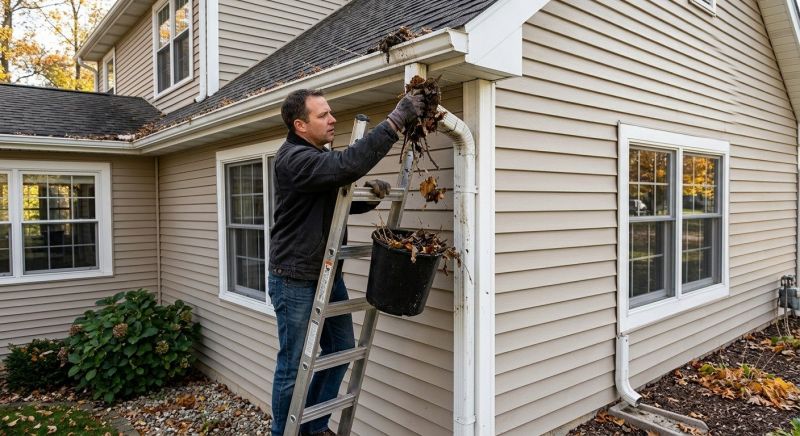
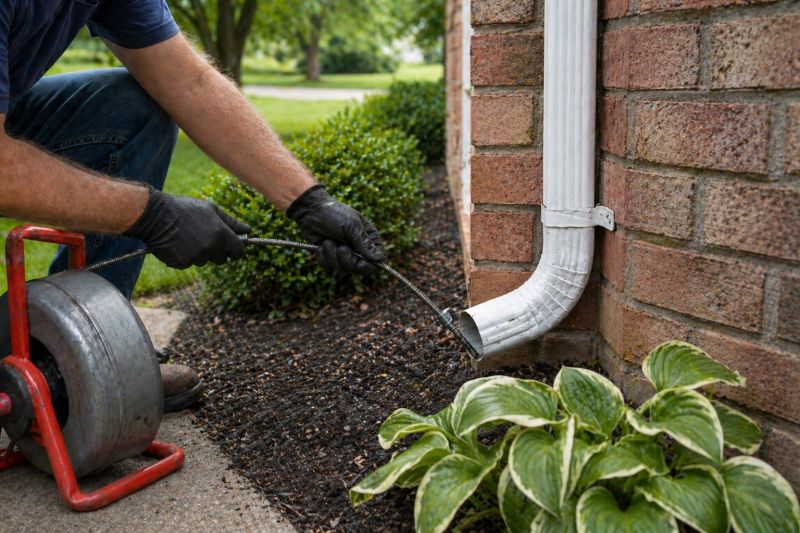
Clogged Downspout Clearing
Downspout snaking helps remove blockages caused by debris buildup in monmouth county homes.
Preventing Water Damage
Regular snaking services ensure proper drainage and protect properties from water-related issues.
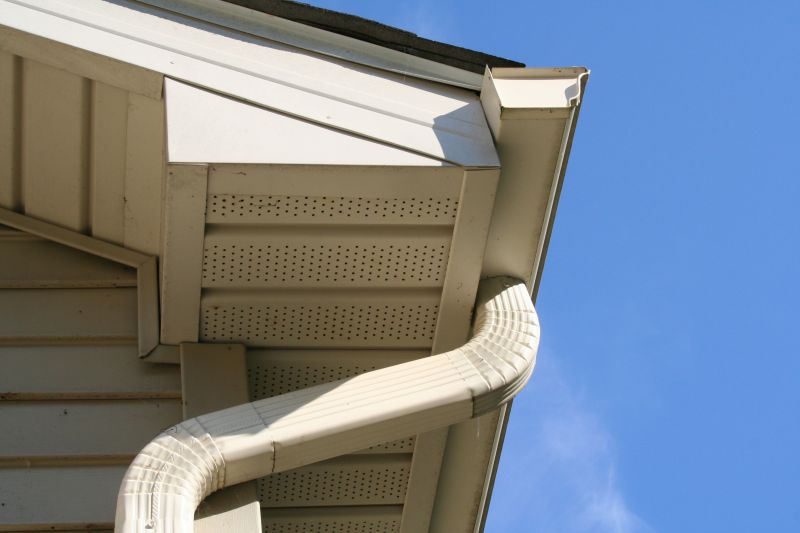
Maintaining Drainage Systems
Professional downspout snaking keeps gutter systems functioning effectively during heavy rains in nearby areas.
Downspout Snaking in Monmouth County, NJ
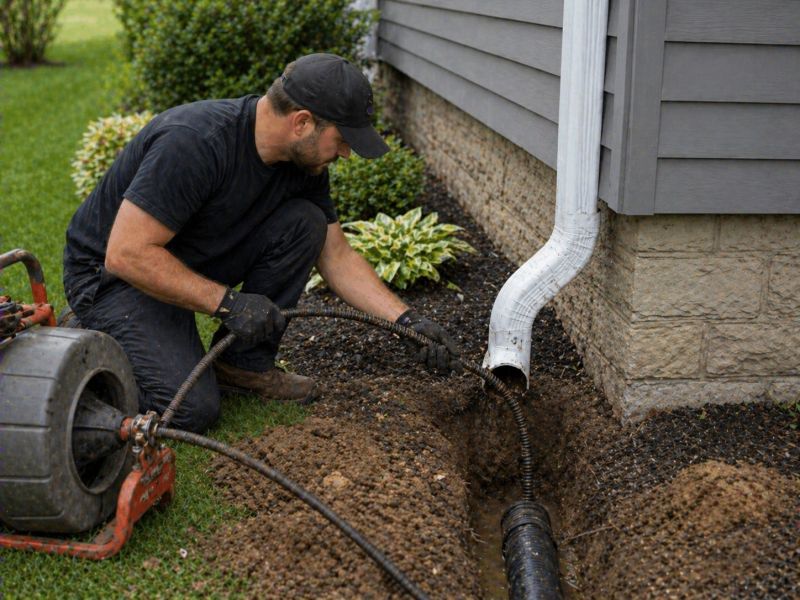
Downspout snaking services involve clearing blockages and obstructions within the downspouts to ensure proper water flow away from a property. This process typically addresses issues caused by leaves, debris, or buildup that can lead to water overflow or damage to the foundation, landscaping, and siding. Projects often include cleaning clogged sections of downspouts, removing debris from elbows and extensions, and restoring free drainage to prevent water pooling around the home.
Homeowners considering downspout snaking should understand the importance of regular maintenance to prevent water damage and avoid costly repairs. It’s helpful to know the extent of any existing blockages, whether the downspouts are connected to underground drainage systems, and if there are specific areas prone to clogging. Proper assessment can help determine if additional repairs or adjustments are needed to keep rainwater flowing efficiently away from the property.
Many property owners in Monmouth County, NJ look into Downspout Snaking for repairs, replacements, upgrades, and appearance-related improvements.
Common Downspout Snaking Jobs
Downspout Snaking - clears clogged downspouts to ensure proper water flow away from the foundation.
Clog removal - addresses blockages caused by leaves, debris, or small obstructions inside downspouts.
Gutter drainage solutions - helps prevent water pooling and potential basement flooding by maintaining clear downspouts.
Maintenance cleaning - removes buildup that can cause backups and damage to the gutter system.
Blockage troubleshooting - identifies and resolves issues that hinder effective water drainage through downspouts.
Preventative snaking - reduces the risk of future clogs and water damage by keeping downspouts clear.
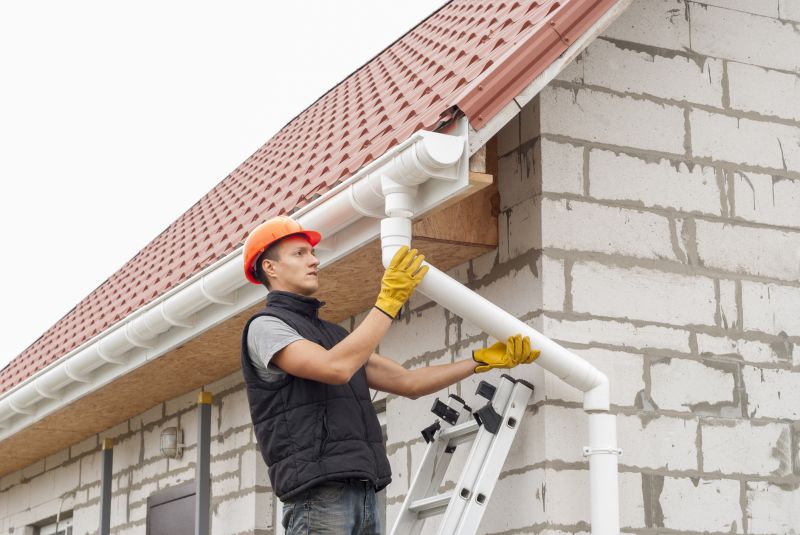
Downspout Snaking Questions
What is downspout snaking? Downspout snaking involves clearing clogs and obstructions from the interior of downspouts to ensure proper water flow away from the property.
When should downspouts be snaked? Snaking is recommended when water overflow or blockages are noticed, especially after heavy rains or debris buildup.
What tools are used for downspout snaking? Specialized augers or drain snakes are used to remove obstructions from inside the downspouts effectively.
Can downspout snaking prevent water damage? Yes, clearing blockages helps prevent water from overflowing and causing potential damage to the foundation and exterior walls.
Request Downspout Snaking in Monmouth County, NJ
Use the quote form on this page to share the basics of your project and request more information for the type of work you need.